



What Happens When One Machine Meets Another?
How process integration transforms individual machines into a more efficient production line.
In industry, every machine plays an important role. But have you ever stopped to think about what happens between one stage of production and the next?
One machine may operate at high speed, while the next cannot keep up with the same pace. The result? Material accumulation, interruptions, and loss of efficiency.
This is where process integration makes the difference.
More Than Just Connecting Machines
Integrating equipment means more than simply placing machines side by side. It means creating an intelligent connection between different stages, allowing them to work in coordination.
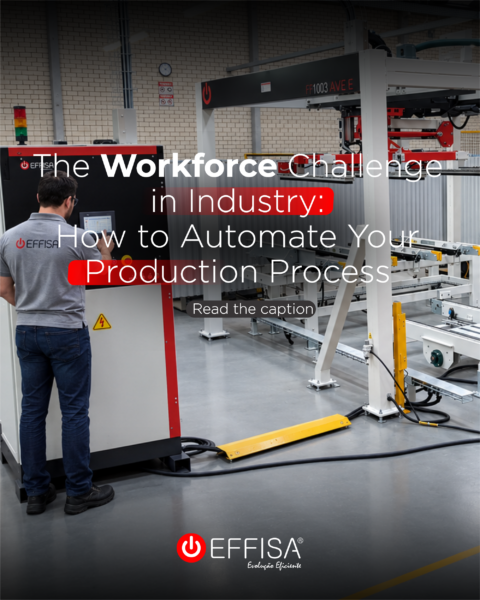
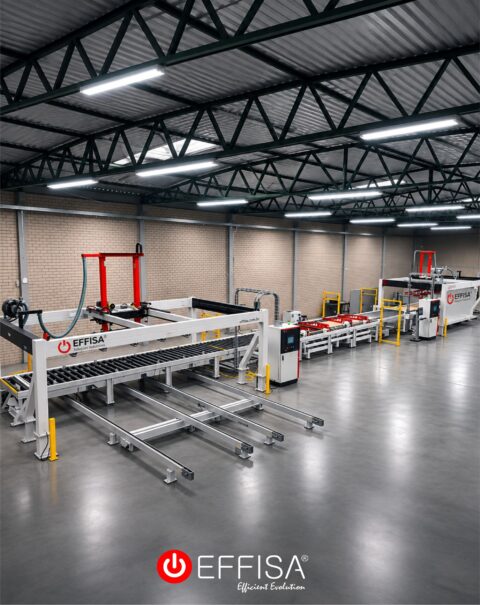
Through conveyor systems, sensors, and automated controls, it is possible to organize material flow, reduce manual intervention, and improve production continuity.
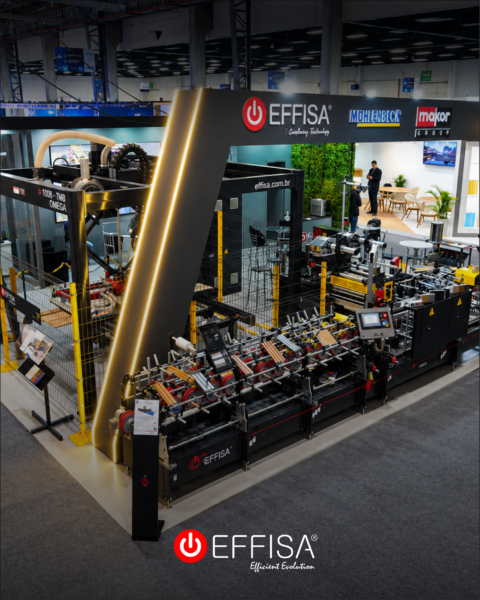
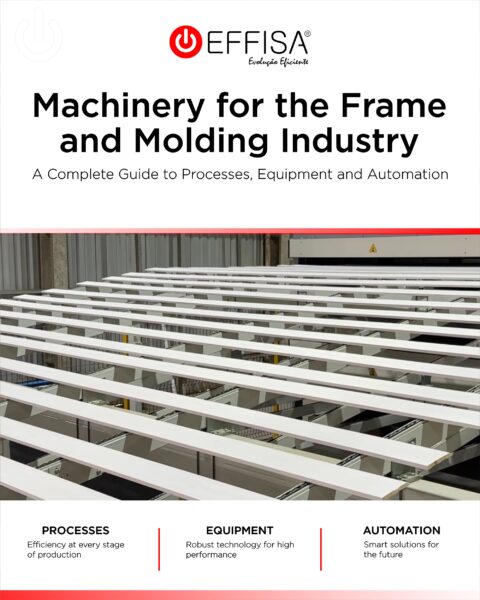
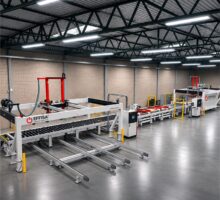
In industry, this integration can facilitate the movement of profiles between machines, making the process more organized and reducing potential production bottlenecks.
After all, an efficient production line depends not only on the speed of each machine, but also on the balance between them.
When Machines Work Together, Production Evolves
Well-planned integration can provide greater operational continuity, better equipment utilization, and increased predictability in the production process.
At EFFISA, technology is developed with the needs of the moulding industry in mind, considering automation opportunities across different stages of production.
Rather than focusing solely on the performance of an individual machine, it is important to understand how each piece of equipment contributes to the operation of the entire system.
Because one machine can transform an operation.
But when different machines work together, the entire process can evolve.